
Zhujiajiao Ancient Town Scenic Area is located in the south-central part of Qingpu District, Shanghai, on the bank of Dianshan Lake. It is a national 4A-level tourist attraction. Known as the "Venice of Shanghai" and the "Top Water Town in Shanghai", Zhujiajiao Ancient Town retains the unique primitive style of "small bridges, flowing water and traditional dwellings" typical of Jiangnan water towns. Compared with other more commercialized water towns, Zhujiajiao has a more original Jiangnan urban vibe, making it an ideal destination to experience Jiangnan water town culture and enjoy a leisurely time. Most of the buildings in the ancient town are in the architectural style of the Ming and Qing dynasties. The brick-and-wood structure dwellings are built along the rivers, with white walls, black tiles, upturned eaves and angled corners, arranged in an irregular yet elegant manner. There are numerous well-preserved architectural relics from the Ming and Qing dynasties, including more than 200 key protected historical buildings. The ancient streets and alleys crisscross each other, with a total length of several kilometers. The total area of the scenic area is about 1.5 square kilometers, and the core tourist area covers approximately 0.6 square kilometers. The area is densely covered with water networks, including multiple rivers such as Dianpu River and Caogang River, with a total river length of about 10 kilometers. Various ancient bridges span across the rivers, forming a vivid picture of a Jiangnan water town.
History and Culture
The history of Zhujiajiao Ancient Town can be traced back to the Three Kingdoms period, when a village named "Zhuli" was formed here. Later, due to homophony and regional development, it was gradually renamed "Zhujiajiao". During the Song and Yuan dynasties, relying on convenient water transportation, Zhujiajiao gradually became a commercial and trade distribution center for the surrounding areas, where grain, cloth and other goods were circulated, initially forming the scale of a market town.
The Ming and Qing dynasties were the heyday of Zhujiajiao Ancient Town. Benefiting from the economic prosperity of the Jiangnan region and the development of grain transportation via waterways, Zhujiajiao became an important grain transportation hub and commercial town in Shanghai and its surrounding areas. At that time, there was a saying that "Three Jings are not as good as One Jiao" ("Three Jings" refers to Sijing in Songjiang, Fengjing in Qingpu and Nanxiangjing in Jiading), which fully demonstrated the prosperity of Zhujiajiao at that time. During this period, the ancient town was lined with shops, including banks, pawnshops, teahouses, restaurants and other various business formats, attracting a large number of merchants and celebrities to settle here. It also left behind many exquisite architectural and cultural relics from the Ming and Qing dynasties, such as various luxurious mansions, gardens and temples.
Zhujiajiao Ancient Town has a profound cultural heritage, with a long tradition of prosperity in literature and a continuous emergence of talents. During the Ming and Qing dynasties, a total of 16 Jinshi (successful candidates in the highest imperial examinations) and more than 40 Juren (successful candidates in the provincial imperial examinations) came from here, and many literati, poets, calligraphers and painters were born here. For example, Wang Chang, a famous scholar in the Qing dynasty, and Gai Qi, a renowned calligrapher and painter, both had deep roots in Zhujiajiao. In addition, Zhujiajiao also preserves rich folk culture, such as fast boat rowing, water town wedding customs and zongzi making skills. Among them, the Zhujiajiao zongzi making skills have been included in the list of Shanghai intangible cultural heritage. These folk cultures carry the living memories of the Jiangnan water town and are an important part of the historical and cultural heritage of the ancient town.
Since modern times, although Zhujiajiao Ancient Town has experienced the changes of times, it has still retained its original water town pattern and historical style well, without being destroyed by large-scale modern construction. After the founding of the People's Republic of China, especially since the reform and opening up, the local government has attached great importance to the protection and development of the ancient town, and has invested a lot of funds in the renovation and maintenance of historical buildings, ancient bridges and rivers, so that the historical and cultural value of Zhujiajiao Ancient Town has been continued and highlighted, making it an important window to display the culture of Jiangnan water towns.
Main Attractions
Fangsheng Bridge
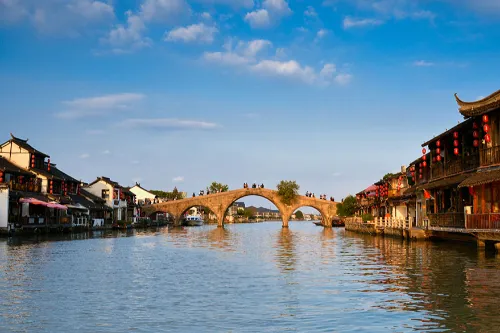
Fangsheng Bridge is the iconic building of Zhujiajiao Ancient Town, and also the longest, largest and tallest five-hole stone arch bridge existing in Shanghai. It was first built in the 5th year of the Longqing reign of the Ming dynasty (1571 AD), and later underwent two renovations during the Kangxi and Qianlong reigns of the Qing dynasty, with a history of more than 400 years to this day. The bridge has a total length of 72.8 meters, a width of 5.8 meters and a height of 7.4 meters. The bridge body is built with bluestone blocks, and the bridge railings are carved with simple and unsophisticated patterns. The bridge holes are arc-shaped, uniform in size, and their reflections in the water form a stunning landscape of "five connected waves". The name of Fangsheng Bridge originates from the Buddhist concept of "releasing living beings to accumulate virtue". Historically, this place was where local people released fish and shrimp. Today, it is still a must-visit spot for tourists to stop and take photos, and enjoy the scenery of the water town. Standing on the top of the bridge, you can overlook the entire panorama of Zhujiajiao Ancient Town, with the crisscrossing rivers and scattered dwellings forming a picturesque Jiangnan water town scene.
Kezhi Garden
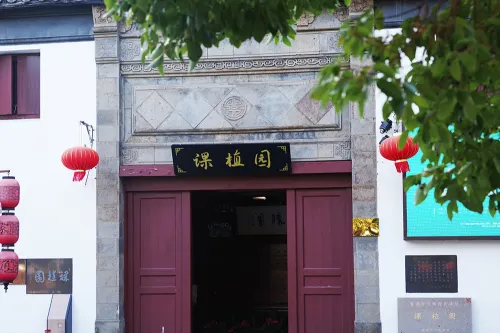
Kezhi Garden, also known as "Ma Family Garden", was built by Ma Wenqing, a wealthy merchant in Shanghai during the late Qing dynasty and early Republic of China, for his descendants to study and engage in farming. It takes the meaning of "not forgetting farming after studying". The garden was first built in the 1st year of the Xuantong reign of the Qing dynasty (1909 AD) and took 10 years to complete, covering a total area of about 13,000 square meters. It is the largest private garden in Zhujiajiao Ancient Town. The garden is divided into two parts: "Ke Garden" and "Zhi Garden". "Ke Garden" is dominated by buildings, including halls, studies, pavilions and other structures. The architectural style integrates the elegance of Jiangnan gardens with the characteristics of Western architecture. Among them, the most representative ones are "Wangyue Tower" and "Book City". Wangyue Tower is the highest point in the garden, from which you can climb high and look far at the scenery outside the garden. The Book City houses a large number of ancient books, highlighting the owner's emphasis on culture. "Zhi Garden" is dominated by garden landscapes, with rockeries, ponds, pavilions, corridors and other structures built here, and various exotic flowers, rare herbs, ancient trees and famous woods planted. The environment is quiet and the scenery is pleasant, making it an ideal place to experience the charm of private Jiangnan gardens.
Handa Long Soy Sauce Garden
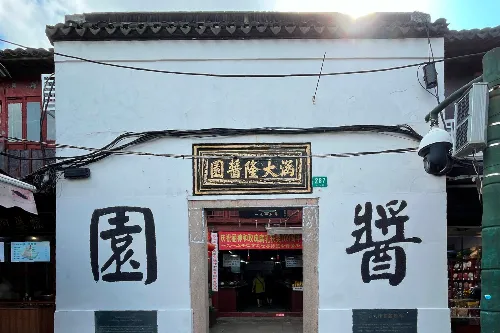
Founded in the 12th year of the Guangxu reign of the Qing dynasty (1886 AD), this shop has a history of nearly 140 years. Its front part along the street is the sales hall of the soy sauce garden, and the back part is the production workshop. Facing west and backed by east, it is a brick-and-wood structure building, consisting of a front yard, a main house, wing rooms and a back warehouse. The building has a total width of 10.5 meters and a total depth of 26.7 meters. The antique stone gate building of the shop has two large black characters "Soy Sauce Garden" written on both sides of the outer wall, with white background and black writing, which is extremely eye-catching. Under the beams in the hall, there are exquisite carvings, and both the eaves and the floor-to-ceiling windows are carved with patterns and gilded. In 2001, it was announced as a cultural relic protection unit of Qingpu District.
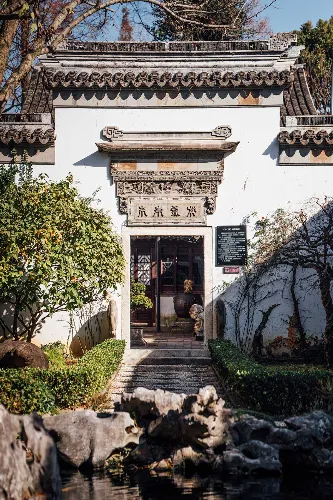
Quanhua Watercolor Art Museum
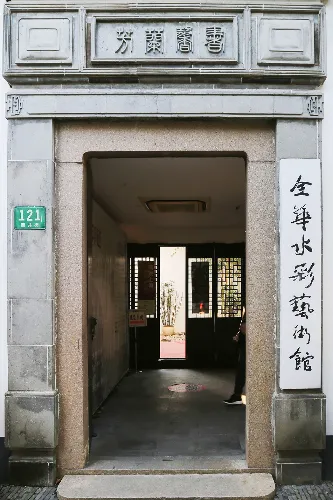
Originally the residence of the Ma Wenqing family, a wealthy merchant in Zhujiajiao. The entrance is a brick-carved gate building, with four characters "Shu Xin Lan Fang" (meaning a strong scholarly atmosphere and noble moral character like orchid fragrance) written on it. It uses six four-bracket sets of bucket arches and hanging flower columns, all in imitation of wooden structure, which are exquisite and elegant. "Shu Xin Lan Fang" implies that the family has a strong scholarly atmosphere, and the elegant temperament and noble conduct are as fragrant as orchids, lasting for a long time, with cultural and moral implications. A pair of stone lions are placed on both sides of the gate building, with a simple and lovely shape. The gable wall of the art museum is decorated with Guanyin pocket eaves, with smooth design lines, giving people an elegant and beautiful feeling, symbolizing family harmony and the continuous reproduction of descendants.
Yuanjin Chan Temple
Yuanjin Chan Temple was first built in the 2nd year of the Zhizheng reign of the Yuan dynasty (1342 AD), originally named "Yuanjin An". It was renamed "Yuanjin Chan Temple" during the Qianlong reign of the Qing dynasty. It is a small, exquisite, simple and elegant Buddhist temple, covering an area of about 500 square meters. Located on the bank of Caogang River, facing Fangsheng Bridge across the river, the temple has a compact building layout, including a mountain gate, a main hall, a back hall, wing rooms and other structures. Among them, the most distinctive one is "Wenchang Pavilion". Built on the east side of the temple, Wenchang Pavilion is a three-story pavilion-style building, about 10 meters high. The pavilion houses a statue of Wenchang Emperor, who was historically a deity prayed to by local literati and scholars for academic success and official career. Yuanjin Chan Temple also preserves a large number of stone carvings, inscriptions, calligraphy and paintings, among which the inscriptions and calligraphy works of Wang Chang, a famous scholar in the Qing dynasty, are the most precious. These cultural relics have important historical and cultural research value. In addition, various flowers, grasses, trees are planted in the courtyard of the temple, and the environment is quiet. Standing in the courtyard, you can enjoy the stunning scenery of Fangsheng Bridge, making it a good place to experience the Zen culture of the water town.
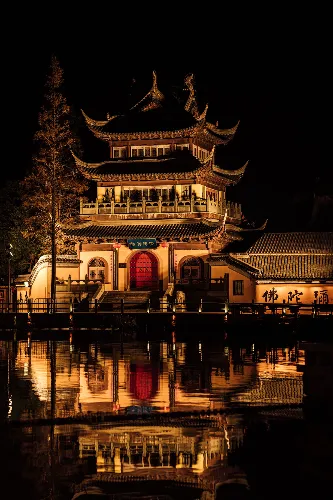
Zhujiajiao City God Temple
It is the temporary palace of the City God of Qingpu. In the 28th year of the Qianlong reign of the Qing dynasty (1763 AD), it was moved from its original site in Xuejiabang in the south of the town to the current location, with a history of more than 300 years. Although Zhujiajiao City God Temple is not as magnificent as the Old City God Temple in Shanghai, it has the unique simple style of the ancient town.
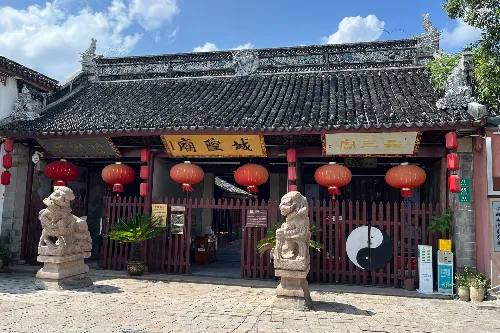
Hexin Garden
Built in 2007, it has three halls, four wells and one back garden, covering an area of about 3,000 square meters. Hexin Garden is a museum of gardens, history and culture. It gets its name from the Hexin Pavilion built in the middle of the Qing dynasty in the back garden of the garden. Hexin Garden embodies the essence of Jiangnan garden construction. All the exhibits in Hexin Garden are original objects from the Ming and Qing dynasties.
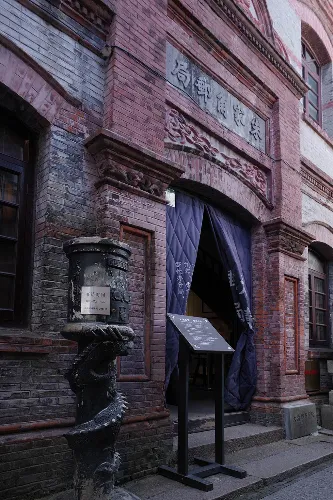
Qing Dynasty Post Office
It is a two-story brick-and-wood structure building with a combination of Chinese and Western styles, covering an area of about 70 square meters. Facing south and backed by north, the building faces the street in the front and has a city river behind it. A stepped water wharf is built with stone strips hanging in the air outside the back door. The building was funded and built by Xu Furu, a successful candidate in the military imperial examination in the Qing dynasty. Completed in the 2nd year of the Xuantong reign of the Qing dynasty (1910 AD), after several renovations and arrangements, it has been opened as a scenic spot, attracting a large number of tourists from home and abroad to visit. It has become the only remaining former site of the Qing dynasty postal service in the suburbs of Shanghai.
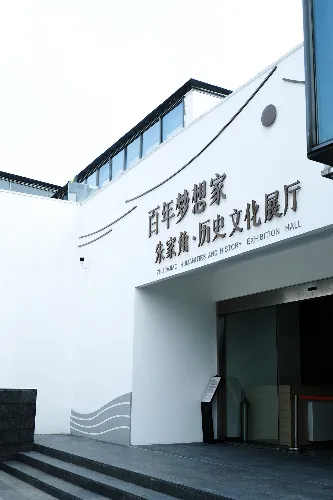
Zhujiajiao History and Culture Exhibition Hall
With a construction area of about 1,800 square meters, it is a comprehensive historical and cultural exhibition venue. Taking "Centennial Dreamers" as the narrative main line, this exhibition hall creates a comprehensive cultural facility integrating historical inheritance, cultural experience, educational communication and themed cultural and creative products through immersive digital space and innovative real-scene interactive methods.
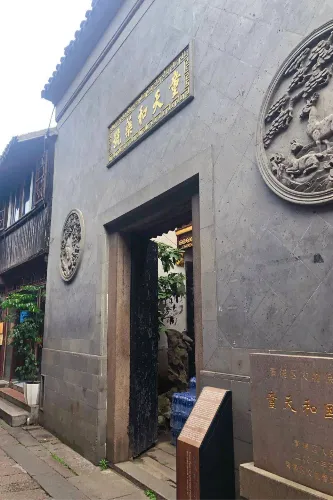
Tong Tian He Traditional Chinese Medicine Shop
The shop renovated its golden signboard in the 3rd year of the Guangxu reign of the Qing dynasty (1877 AD). In the 16th year of the Guangxu reign, the owner surnamed Tong raised 12 shares from his clansmen in his hometown Ningbo to expand the business, and its capital accounted for more than one-third of the total capital of the same industry in the town. In 1956, it became a joint state-private enterprise. In 1986, the original shop name was restored, and the traditional practices of prescription dispensing at the retail counter and inviting senior traditional Chinese medicine practitioners to provide medical services in the shop were also resumed one after another. In the summer of 2000, Tong Tian He was renovated, restoring its original appearance in the Qing dynasty as a whole, and displaying unique pharmaceutical equipment, making it an important tourist attraction in the ancient town.
Tour Route
Recommended Route: Visitor Center → Quanhua Watercolor Art Museum → Kezhi Garden → Hexin Garden → Fangsheng Bridge → Shanghai Helong Art Museum → Handa Long Soy Sauce Garden → Zhujiajiao History and Culture Exhibition Hall → Tong Tian He Traditional Chinese Medicine Shop → Qing Dynasty Post Office → City God Temple Wharf → Kezhi Garden Wharf → Visitor Center. The whole journey takes about 5 hours.
Travel Tips
- The best time to visit is recommended to be spring and autumn. In spring (March to May), the ancient town is in full bloom with flowers, full of greenery, and the temperature is pleasant, with an average temperature ranging from 15℃ to 25℃. In autumn (September to November), the sky is high and the air is fresh, with bright sunshine, and the autumn scenery of the water town has a unique charm, with an average temperature ranging from 18℃ to 28℃. These two seasons avoid the high temperature in summer and the cold in winter, making them more suitable for walking and taking photos.
- It is recommended to arrange 1 to 2 days for the tour. A one-day tour allows you to visit the core attractions of the ancient town and experience the style of the water town. A two-day tour enables you to deeply experience the folk culture of the ancient town, stay in a water town homestay in the ancient town at night, enjoy the night view of the ancient town, and feel the quiet time of the Jiangnan water town.
- Recommended food to taste includes Zhujiajiao's special snacks and dishes. Snacks include Zhujiajiao zongzi (especially the large pork zongzi, about 200 grams each, with tender meat and rich rice fragrance), braised pork in bamboo leaves, smoked green beans, Euryale ferox cake, etc. Dishes include steamed white shad, scrambled eggs with silver fish, fresh lotus root from the water town, stir-fried river snails in soy sauce, etc. You can choose to dine in time-honored restaurants near North Street or beside the river to better experience the authentic flavor of the water town.
- For shopping, it is recommended to choose water town characteristic handicrafts and specialties, such as water town paper-cuts, bamboo weaving handicrafts, Handa Long pickles, Euryale ferox cake, etc. When purchasing, you can compare prices among different shops, and at the same time, pay attention to distinguishing the authenticity and quality of the goods, especially for antique calligraphy and painting products, which need to be purchased with caution.
- For photography, it is recommended to bring a single-lens reflex camera or a high-pixel mobile phone. The best photo spots include the top of Fangsheng Bridge (overlooking the panoramic view of the ancient town), North Street (shooting the style of the ancient streets in the Ming and Qing dynasties), Kezhi Garden (shooting the landscape of the Jiangnan garden), and beside the river (shooting the black-awning boats and the reflections of the water town). When shooting night scenes, you can choose the area near Fangsheng Bridge or North Street, where the water town under the light has a more charming flavor.
- For in-depth experience, it is recommended to participate in the folk activities in the ancient town, such as the fast boat rowing competition held during the Dragon Boat Festival every year, to experience the folk customs of the Jiangnan water town. You can also go to the zongzi making workshop to experience the fun of making zongzi by hand and learn about the intangible cultural heritage of Zhujiajiao zongzi making skills.
Notes
- The ancient town is crisscrossed with rivers, and the stone roads are slippery, especially on rainy days or in the early morning. When walking, please pay attention to your steps to avoid slipping. The elderly and children should be accompanied by their families.
- There are many historical buildings and cultural relics in the ancient town. When visiting, please do not touch or carve on the cultural relics and buildings, and do not climb on the ancient buildings. Please abide by the protection regulations of the scenic area and jointly maintain the historical style of the ancient town.
- There are many shops and tourists in the ancient town. Please take good care of your personal belongings, especially valuables such as mobile phones and wallets, to avoid loss.
- When taking a black-awning boat tour, please abide by the safety guidelines of the boatman. Do not stand on the boat, and do not put your hands or feet into the water to avoid safety accidents. At the same time, please pay attention to maintaining the environmental hygiene on the boat and do not litter.
- Most of the homestays and restaurants in the ancient town are concentrated in the core area. The number of tourists is large during holidays, so it is recommended to book homestays and restaurants in advance through online platforms to avoid the situation of no available rooms or seats.
- Setting off fireworks and firecrackers is prohibited in the scenic area. Carrying flammable and explosive items into the scenic area is prohibited. Smoking is prohibited in non-smoking areas. Please abide by the fire safety regulations of the scenic area.
- Respect the local folk culture and the living habits of the residents. Please do not speak loudly and do not disturb the normal life of the local residents at will, especially when visiting the residential areas of the ancient town, please keep quiet.
- Some attractions in the ancient town (such as Kezhi Garden) require separate tickets. Before visiting, you can learn about the ticket prices and opening hours of each attraction in advance to plan your travel itinerary reasonably.
Transportation
- Public Transportation - Metro + Bus: Take Shanghai Metro Line 17 to Zhujiajiao Station (terminal station). After exiting the station, walk for about 5 minutes to Zhujiajiao Bus Station, then transfer to buses such as Qingpu Line 3 and Qingpu Line 15. Take 1 stop to reach the entrance of Zhujiajiao Ancient Town. The whole journey takes about 1.5 to 2 hours. The operating hours of Shanghai Metro Line 17 are from 6:00 to 22:30, and the operating hours of Qingpu Line 3 are from 6:30 to 18:30.
- Public Transportation - Long-distance Bus: Take a direct tourist bus to Zhujiajiao Ancient Town from the Shanghai Tourist Distribution Center near People's Square (there are also departure points at Hongkou Station and South Station). The whole journey takes about 1 hour. The departure time is from 8:00 to 10:00 every day, with one bus per hour. The return time is from 15:00 to 17:00 every day, with one bus per hour.
- Self-driving: Starting from downtown Shanghai, you can choose the Shanghai-Chongqing Expressway (G50). Exit at the Zhujiajiao Exit, then drive straight along Zhufeng Highway for about 5 kilometers to reach the parking lot of Zhujiajiao Ancient Town. The whole journey takes about 1 hour (depending on the traffic conditions in downtown Shanghai). There are multiple parking lots around the ancient town.
- Internal Transportation in the Ancient Town: Motor vehicles are prohibited from entering the core area of the ancient town. Tourists can choose to walk around, or rent a black-awning boat (cruise ship) for sightseeing, which can accommodate 4 to 6 people. You can also rent a bicycle for touring.
Opening Hours
Open all year round without closing days. Tourists can enter the core tourist area of the ancient town (free areas such as North Street and the vicinity of Fangsheng Bridge) 24 hours a day. The opening hours of the paid attractions in the scenic area (such as Kezhi Garden and Yuanjin Chan Temple) are from 8:30 to 17:00 every day, and ticket sales and entry stop at 16:30. During holidays (Spring Festival, Qingming Festival, Labor Day, Dragon Boat Festival, Mid-Autumn Festival and National Day), the opening hours of the paid attractions will be appropriately extended to 8:00 to 17:30, and ticket sales and entry stop at 17:00. In addition, the business hours of most shops, restaurants and homestays in the ancient town are from 8:00 to 22:00 every day, and will be appropriately extended to around 23:00 during holidays.
Tickets
Free to open to the public, but a few attractions require tickets.
Online Booking
Click here to jump to the Trip.com ticketing platform for ticket purchase.