
Shanghai Zoo is located at No. 2381 Hongqiao Road, Changning District, Shanghai. It is a national 4A-level tourist attraction and a large comprehensive urban zoo integrating animal breeding, exhibition, conservation and breeding, science popularization and education, as well as leisure and entertainment. It has long enjoyed the reputation of "the First Zoo in the Far East". The overall architectural style of the scenic area combines the charm of Chinese classical gardens with the functionality of modern animal venues. There are more than 100 various animal venues, exhibition halls and supporting service buildings in the park, among which about 40 are core animal exhibition venues, with a total construction area of over 50,000 square meters. The complete supporting facilities can meet the visiting and leisure needs of tourists of all ages. The total area of Shanghai Zoo is 743,000 square meters, of which the green space accounts for more than 80% and the water area is about 40,000 square meters. With lush vegetation and a quiet environment, the park is not only a habitat for animals, but also an ideal place for citizens and tourists to get close to nature and relax. The park houses and exhibits more than 600 species and over 7,000 individual (heads) of rare wild animals from all over the world, covering various animal groups such as mammals, birds, reptiles, amphibians and fishes.
History and Culture
The predecessor of Shanghai Zoo was Shanghai Western Suburb Park, which was founded in 1954. At that time, the park was located on the west side of Hongqiao Road, Changning District, with an initial area of only 203,000 square meters. It mainly housed and exhibited common local and domestic animals, serving as an outdoor venue for citizens to relax and watch. In May 1955, Western Suburb Park was officially opened to the public. In the early stage of opening, there were only a small number of animals and simple venues in the park. After several years of expansion and improvement, the number of animal species and venue facilities were gradually increased, making it a popular leisure landmark in Shanghai.
From the 1960s to the 1980s, Western Suburb Park entered a period of rapid development. It successively introduced a large number of rare wild animals from home and abroad, and carried out large-scale renovation and construction of the venues in the park. The green space planning and garden landscape were also continuously optimized, and the park area was gradually expanded to the current 743,000 square meters. During this period, the park made many breakthroughs in animal breeding technology, successfully breeding many rare protected animals such as giant pandas, golden snub-nosed monkeys and South China tigers, making important contributions to China's wildlife protection cause and establishing its important position in the domestic zoo industry.
In 1994, in order to better reflect the functional positioning and development direction of the park, with the approval of relevant departments, Shanghai Western Suburb Park was officially renamed "Shanghai Zoo". This renaming marked the transformation of the park from a simple leisure and viewing venue to a comprehensive zoo integrating animal protection, breeding and science popularization and education. After the renaming, Shanghai Zoo continued to increase investment, continuously improved the ecological transformation of animal venues, created a display environment closer to the natural habitat of animals, and added a large number of science popularization and education facilities, gradually becoming an important science popularization and education base and an ecological civilization education window in Shanghai.
Since entering the 21st century, Shanghai Zoo has always adhered to the concept of "protection first, science popularization first, and equal emphasis on leisure", actively participated in domestic and foreign wildlife protection cooperation projects, carried out a number of endangered animal breeding and research projects, continuously optimized the park's service facilities, and improved the tourist experience. Today's Shanghai Zoo is not only a paradise for animals and a leisure resort for tourists, but also an important carrier bearing the memory of Shanghai's urban development and conveying the concept of ecological civilization, witnessing the development process of China's urban zoos from the initial stage to maturity.
Main Attractions
Primate Area
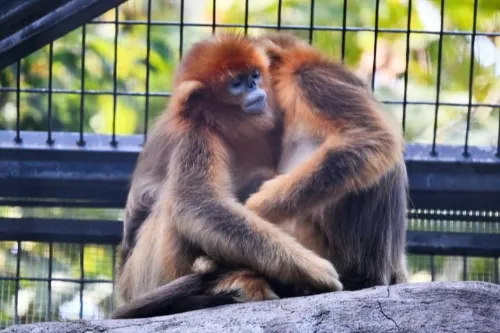
There are primates such as orangutans, golden snub-nosed monkeys, lemurs, squirrel monkeys, mandrills and gibbons here.
Herbivore Area
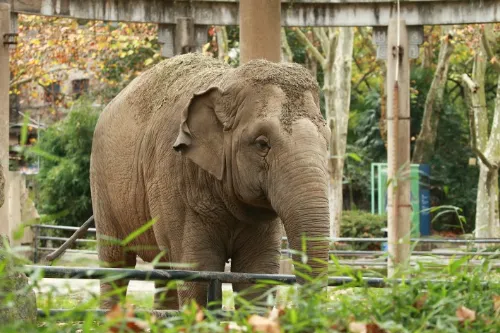
There are herbivores such as Asian elephants, hippopotamuses, white rhinoceroses, zebras, giraffes, kangaroos, antelopes and alpacas here.
Carnivore Area
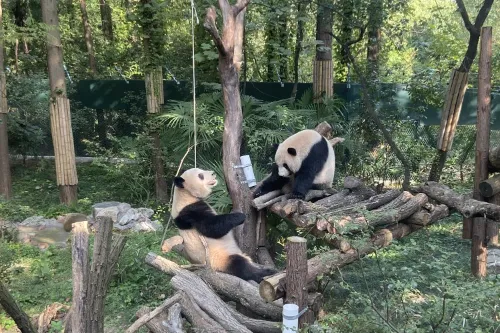
There are carnivores such as South China tigers, African lions, anteaters, giant pandas, red pandas, wolves, leopards and bears here. Giant pandas are classified in the order Carnivora and family Ursidae.
Bird Area
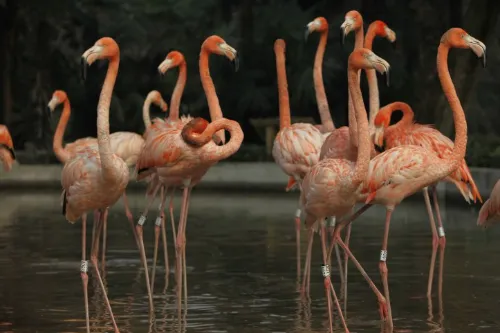
There are birds such as red-crowned cranes, swans, penguins, flamingos, mandarin ducks, peacocks and ostriches here.
Amphibian, Reptile and Fish Area
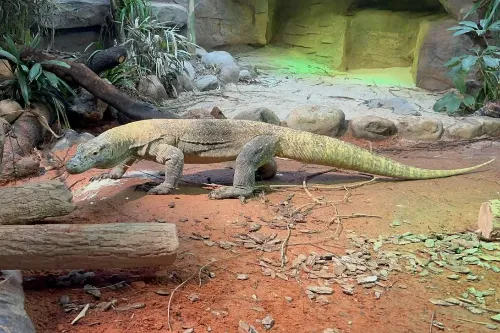
There are amphibians, reptiles and fishes such as goldfish, Chinese alligators, Aldabra giant tortoises, sea turtles, Komodo dragons and giant salamanders here.
Recommended Tour Route
Recommended Route: Primate Area → Herbivore Area → Carnivore Area → Bird Area → Amphibian, Reptile and Fish Area.
Travel Tips
- Best Time to Visit: It is recommended to visit in spring and autumn (March-May and September-November). At this time, the climate in Shanghai is pleasant, the vegetation in the park is lush and flowers are in full bloom, and the animals are more active, providing the best visiting experience. In summer (June-August), the temperature is high, so it is recommended to go before 9:00 a.m. or after 4:00 p.m. to avoid the high-temperature period. In winter (December-February), the temperature is low, some animals may reduce outdoor activities, and you can focus on visiting indoor venues.
- Recommended Duration: It is recommended to reserve 5-6 hours for the visit. For parent-child families or animal lovers, you can reserve a full day to fully visit each exhibition area and participate in science popularization activities.
- Items to Bring: It is recommended to bring a lightweight backpack and sufficient drinking water (there are many drinking fountains in the park, but it is more convenient to bring your own backup). Bring sun protection products and a light coat in spring and autumn; bring sunscreen, a sunshade and mosquito repellent in summer; bring warm clothes in winter. Parent-child families can bring a stroller for children. Although there is a stroller rental service in the park, it may be in short supply during the peak season. At the same time, you can bring a small amount of snacks for children to replenish their energy.
- Dining Suggestions: There are many restaurants and vending points in the park, providing Chinese fast food, Western-style light meals, snacks and drinks, etc. The prices are slightly higher than those outside the park. Parent-child families can bring a small amount of homemade simple picnic food such as sandwiches and fruits, and have a picnic in the designated leisure lawn area of the park, which is economical and can increase the fun of the visit.
- Science Popularization Experience: Pay attention to the official announcements of the park. On weekends and legal holidays, the park will carry out special activities such as giant panda science popularization lectures, bird flying shows and animal enrichment science popularization. Participating in such activities can help you understand animal knowledge more deeply and enhance the fun and knowledge of the visit. It is recommended to plan your time in advance to participate.
- Photography Suggestions: It is recommended to take photos of giant pandas between 9:00 a.m. and 10:00 a.m., when the giant pandas are more active and it is easier to capture their lovely moments. It is recommended to take photos of birds in the early morning, when the birds are frequently foraging and have rich postures. There are many beautiful garden landscapes in the park. You can take photos and check in during the visit to record the wonderful moments.
- Physical Strength Allocation: The park covers a large area, and the whole journey on foot requires about tens of thousands of steps. It is recommended to allocate your physical strength reasonably. After visiting 1-2 attractions, take a rest on the leisure seats or stops along the way to avoid excessive fatigue. The elderly and children can rent an electric sightseeing car or a stroller in the park according to their own situation.
Notes
- Abide by the park regulations. Feeding animals is prohibited. All animals in the park are scientifically fed by professional breeders. Random feeding may cause indigestion, illness or even death of animals. At the same time, it is prohibited to bring any feeding food into the animal exhibition areas.
- It is prohibited to climb over the fences and glass curtain walls of animal venues, pat the glass or shout loudly to intimidate the animals, so as to avoid disturbing the animals and ensure the safety of yourself and the animals.
- Smoking is prohibited in the park. It is strictly forbidden to bring flammable and explosive materials, controlled knives and other dangerous items into the park to maintain the public safety and ecological environment of the park.
- Take good care of the flowers, plants, trees and public facilities in the park. It is prohibited to pick flowers, trample on the lawn or carve on the buildings to keep the park clean and beautiful.
- Tourists with children must take good care of their children, prevent them from getting out of the supervision range, and do not let them climb the facilities in the park. When playing near the water area, pay attention to the risk of falling into the water.
- Pets (except guide dogs) are not allowed to enter the park, so as to avoid conflicts between pets and the animals in the park and ensure the visiting experience of other tourists.
- Take good care of your personal belongings. In crowded attractions (such as the Giant Panda Hall and the Hundred Birds Garden), pay attention to your personal items to avoid loss.
- If you encounter an emergency in the park (such as physical discomfort or loss of items), you can contact the staff in the park in time or go to the park's tourist service center for help. The tourist service center is located about 100 meters east of the main entrance.
- Picnics are only allowed in the designated leisure lawn area of the park. It is prohibited to have picnics in animal exhibition areas, beside the trails or inside the venues. After the picnic, please pack the garbage and take it away, and put it into the classified garbage bins in the park.
Transportation
- Bus: You can take bus routes such as No. 57, 91, 196, 328, 519, 709, 739, 748, 807, 809, 911, 925, 936, 941 and Hongqiao Hub Line 1, get off at the "Shanghai Zoo" stop, and walk about 50 meters to reach the main entrance of the park.
- Metro: You can take Shanghai Metro Line 10, get off at the "Shanghai Zoo" station, exit from Exit 1, and walk about 100 meters to reach the main entrance of the park. The operation time of Metro Line 10 is 5:30-22:30 (towards Jilong Road) and 5:55-23:00 (towards Hongqiao Railway Station), with a departure interval of about 5-8 minutes.
- Self-driving: Self-driving tourists can navigate to "Shanghai Zoo (No. 2381 Hongqiao Road)". There are parking lots in the park, located on the west and north sides of the main entrance. Parking spaces are relatively tight during the peak season (weekends and legal holidays), so it is recommended to choose public transportation as much as possible.
- Taxi/Online Car-hailing: You can directly take a taxi to the main entrance of Shanghai Zoo. The drop-off point is located at the park entrance on Hongqiao Road. The online car-hailing stop is adjacent to the taxi stop, which is convenient and fast. You can take a taxi from People's Square in the center of Shanghai to Shanghai Zoo.
Opening Hours
The peak season is from March 1 to October 31 every year. The park is open daily from 8:00 to 17:30, ticket sales stop at 16:30, and entry stops at 17:00. The off-season is from November 1 to February 28 of the following year (February 29 in leap years). The park is open daily from 8:00 to 17:00, ticket sales stop at 16:00, and entry stops at 16:30. It should be noted that the opening hours of each animal venue in the park are basically the same as those of the park. Clearing of the park starts 30 minutes before closing, and animal venues will close 15 minutes in advance. The park is open as usual on legal holidays, and the opening hours are implemented in accordance with the standards of the corresponding season. In case of extreme weather (such as typhoons and blizzards) or special activities, the opening hours may be adjusted.
Tickets
The ticket price is 40 yuan per person. You can search for the official WeChat account "上海动物园" to get the latest news or buy tickets online.
Online Booking
Click here to jump to the Trip.com ticketing platform for ticket purchase.