
Shenzhen Safari Park is located by Xili Lake, Nanshan District, Shenzhen, Guangdong Province. It is a national 4A‑level tourist attraction and also a national popular science education base. Covering an area of more than 600,000 square meters, it is China’s first open‑range safari park. Integrating wildlife conservation, species breeding, animal exhibition and environmental science education, this comprehensive zoo displays both terrestrial and marine animals. It houses over 300 species and nearly ten‑thousand wild animals, blending animal exhibition with natural garden landscape, delivering sightseeing and popular‑science experiences for visitors.
History and Culture
Planned and built by Shenzhen Tourism Group Corporation, Shenzhen Safari Park officially opened on September 28, 1993. It blazed a trail for open‑range safari parks in China. In 1995, it was awarded the title of "China’s Best".
Since its opening, the park has kept focusing on wildlife protection and public science outreach. It has been accredited as a national popular science education base, carrying out long‑term wildlife‑science programs for teenagers and the general public, and playing an important role in local ecological‑science education.
Main Attractions
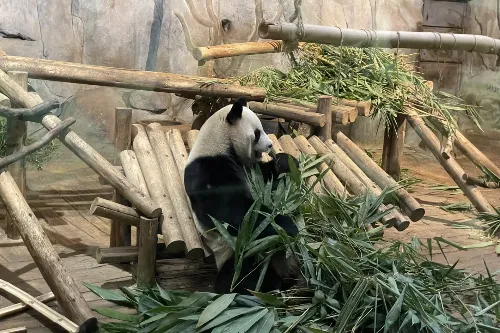
Panda Manor
Panda Manor is the core exhibition zone for giant pandas in the park. It simulates the native habitat environment of giant pandas, with indoor rest halls and outdoor activity grounds. Visitors can observe giant pandas feeding, resting and playing. Popular‑science display boards are equipped to introduce knowledge about giant‑panda breeding, feeding habits and species conservation.
Beast Valley
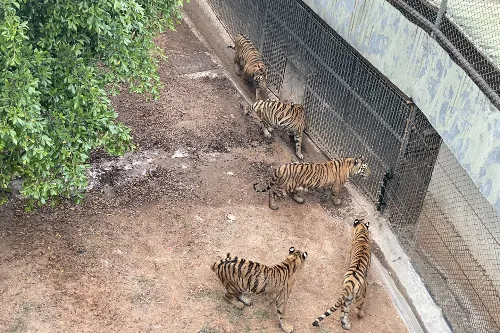
Beast Valley is a large‑scale free‑range exhibition area for large carnivores such as Siberian tigers and black bears. It has drive‑through sightseeing passages and overhead viewing corridors. Tourists may take sightseeing vehicles to watch beasts roaming in semi‑wild enclosures, and overlook tiger groups from overhead walkways. It is one of the most thrilling featured zones of the park.
Ocean World
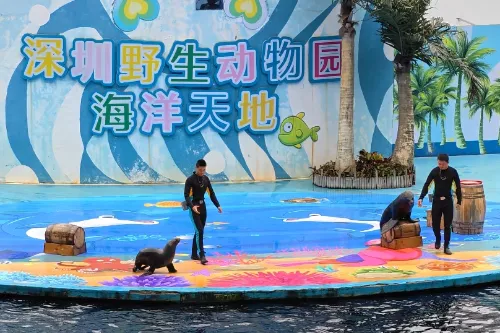
Ocean World combines marine‑animal exhibition halls and a performance theater, keeping dolphins, sea lions and other marine creatures. Regular marine‑animal behavioral shows are held in the theater. It realizes integrated appreciation of terrestrial wild animals and marine animals, and offers marine‑biology popular‑science content for visitors.
Jellyfish Kingdom
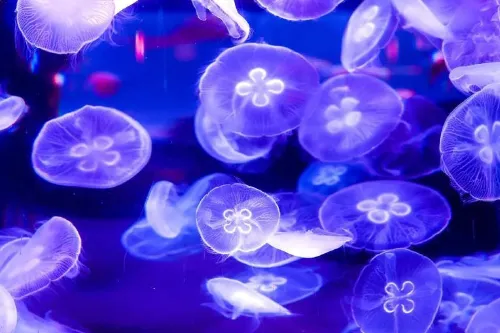
Jellyfish Kingdom is an indoor immersive jellyfish exhibition hall displaying multiple jellyfish species. Ambient lighting creates dreamlike underwater atmosphere for watching jellyfish swimming. Supporting popular‑science materials explain jellyfish biological habits, suitable for casual sightseeing and science learning.
Horn of Africa
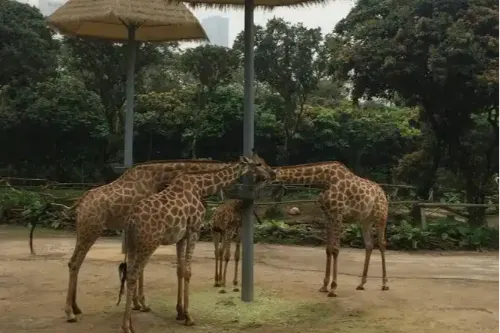
Horn of Africa is an African‑savanna‑themed open‑air exhibition area, where giraffes, zebras, antelopes and other African herbivores live in semi‑free‑range environments. Paid giraffe‑feeding interaction is available at designated spots. Visitors can observe the living state of African grassland animal communities up close.
Elephant Valley
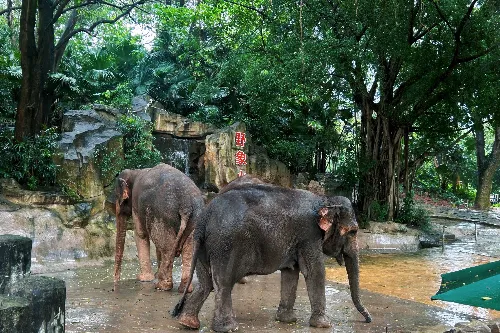
Elephant Valley is the exhibition zone for Asian elephants. The zone sets up bathing pools and activity grounds fitting elephants’ living habits. Tourists can watch elephants foraging, bathing and interacting. Explanatory boards introduce Asian‑elephant protection and survival status.
Ape Archipelago
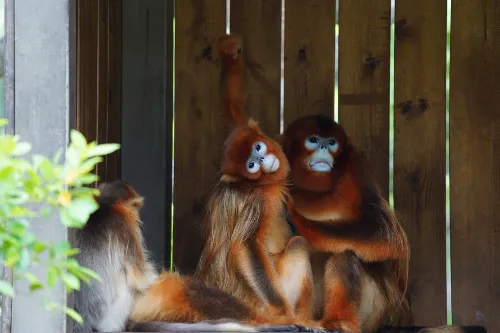
Ape Archipelago adopts island‑style layout for primate exhibition. It raises golden snub‑nosed monkeys, orangutans, gibbons and other primates. Water barriers replace iron cages to simulate original forest habitats. Visitors can watch primates climbing, jumping and conducting social behaviors. It contains sub‑zones including Golden‑Monkey Island and Orangutan House.
Swan Lake
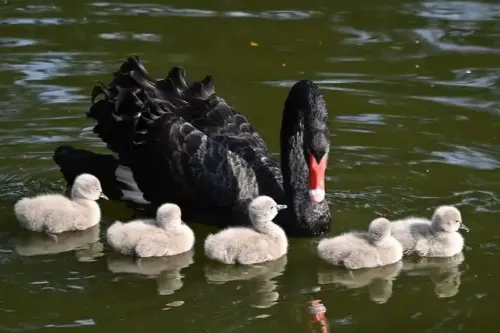
Swan Lake is a waterside bird habitat inside the park. Large groups of black swans, white swans and various waterfowl inhabit here. The lake shore is fitted with viewing platforms. Visitors can watch water birds swimming and foraging on the water surface, enjoying harmonious waters‑and‑wildlife scenery.
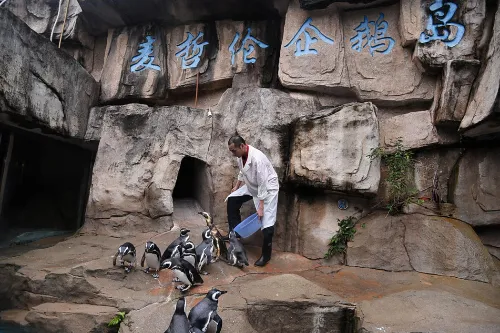
Magellanic Penguin Island
Magellanic Penguin Island is a special exhibition area built for Magellanic penguins. Constant temperature and humidity facilities simulate their suitable living environment. Tourists observe penguins swimming and foraging underwater through safety viewing glass. Relevant popular‑science knowledge about penguin species is displayed around the venue.
Tour Route
Park Entrance → Wetland Garden → Gibbon Archipelago → Golden‑Monkey Island → Peacock Garden → Kangaroo Garden → Horn of Africa → Elephant Valley → Swan Lake → Crocodile Cove → Magellanic Penguin Island → Panda Manor → Jellyfish Kingdom → Ocean World → Beast Valley → Grand Beast Show Arena → Exit
Travel Suggestions
- Arrive at the park in the morning, when animals are generally more active for better viewing experience. Reserve a full‑day time for your visit.
- Pick up paper guide maps after entering, or scan QR‑codes to check daily animal show schedules. Plan your trip in advance and do not miss Grand Beast Show and Ocean Theater performances.
- Elderly people, children and visitors with poor physical strength are suggested to buy sightseeing‑tram tickets. The tram stops at multiple spots to reduce walking distance and supports unlimited re‑riding.
- Some feeding projects are separately charged and optional. Feeding materials must be purchased at designated stalls inside the park; never feed animals with outside food.
- Take sun‑protection measures in summer, bring drinking water and mosquito repellent. Multiple catering supply points are distributed in the park for simple meals.
- When visiting with children, combine exhibition‑zone popular‑science boards to carry out wildlife‑science learning.
Notes
- Outside food is forbidden for feeding animals. Random feeding will harm animal health, and staff will dissuade such behaviors.
- While watching beasts and primates, do not climb guardrails, tap glass or make loud noises so as not to irritate animals.
- Real‑name verification is required for admission. It is recommended to carry ID cards; QR‑code real‑name verification is available without physical ID documents.
- Admission stops at 17:00 and the park closes at 18:00. Arrange visiting hours reasonably; some animal exhibition zones will start clearing visitors near closing time.
- Performances may be temporarily adjusted or cancelled due to weather or animal status. Please pay attention to on‑site notices in the park before your trip.
- Scooters, balance bikes and bicycles are prohibited from entering, while baby strollers are allowed.
- Protect park environment, throw rubbish into bins and refrain from picking plants in the park.
Transportation
- Metro: Take Metro Line 7 to Xilihu Station, Exit B, then walk for about 3‑5 minutes to reach the main entrance of the park.
- Bus: Take bus No.49, 66, 101, 104, 226, M460 or M492 to Zoo Stop; or take M176, Peak Express 128 to Xilihu Metro Station Stop.
- Self‑driving: Navigate to Shenzhen Safari Park Main‑Entrance Parking Lot. Parking spaces are tight on weekends and holidays, off‑peak travel is recommended.
Opening Hours
Shenzhen Safari Park opens all year round. The park opens at 09:30 and closes at 18:00, with ticket‑checking stopping at 17:00 every day. During passenger‑flow peaks on weekends or statutory holidays, the park may open slightly earlier according to visitor volume. Staff will carry‑out site clearance after 18:00, please leave in an orderly manner on time.
Tickets
Ticket price starts from 199 CNY per person. You may search for the official WeChat public account "深圳野生动物园" to get the latest updates.
Online Booking
Click here to jump to the Trip.com ticketing platform for ticket purchase.